If you are ever looking for fillers, Botox, etc. this is the place to come!! I highly recommend Dr. Pirani and his staff. Dr Pirani is so personable, knowledgeable, and trustworthy. You do not feel rushed at all and will take the time to answer all your questions. His staff are super friendly and make you feel so welcome. The day I went they were short staffed, but I would have never known it if they hadn’t mentioned it. I look forward to my future visits.
Introduction
Introduction to BOTOX in Toronto
BOTOX in Toronto is a popular non-surgical treatment for softening forehead wrinkles, frown lines and crow’s feet. At the Toronto Plastic Surgery Center, Dr. Asif Pirani, a Royal College-certified plastic surgeon, offers personalized BOTOX treatments based on each patient’s facial anatomy, muscle activity and aesthetic goals.
All BOTOX and Nuceiva injections are performed personally by Dr. Pirani, with precise dosing and techniques designed to achieve natural-looking, refreshed results while preserving facial expression.
At a Glance: $14 per unit with Dr. Pirani | $200 minimum + HST | Approximately 15–30 minutes | Minimal downtime
Before & After Results
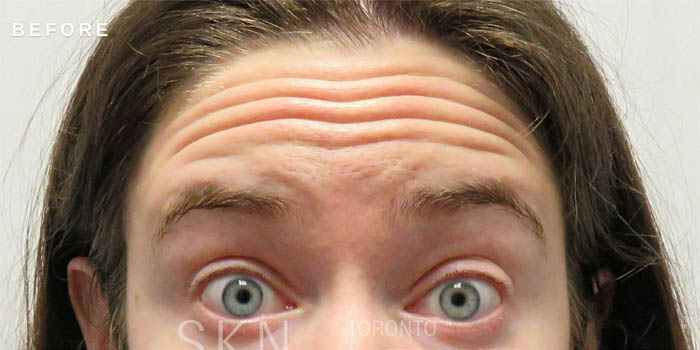
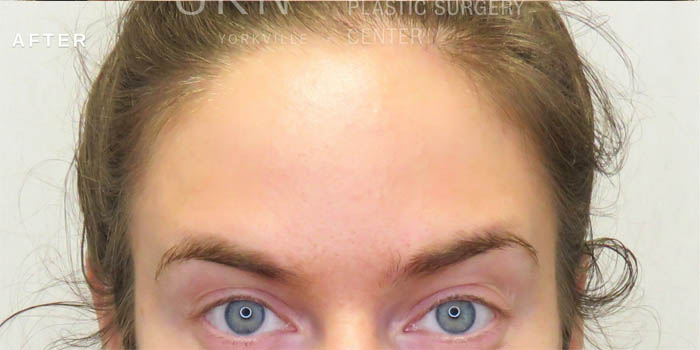
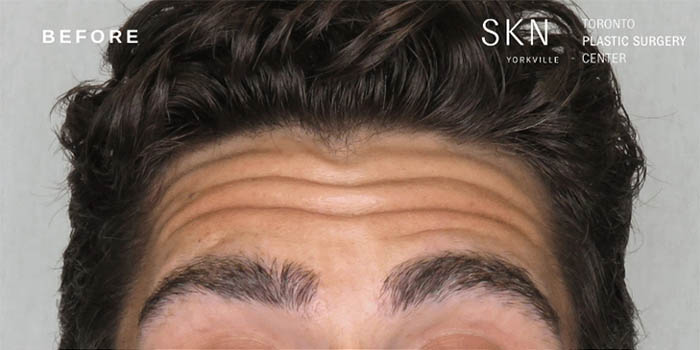
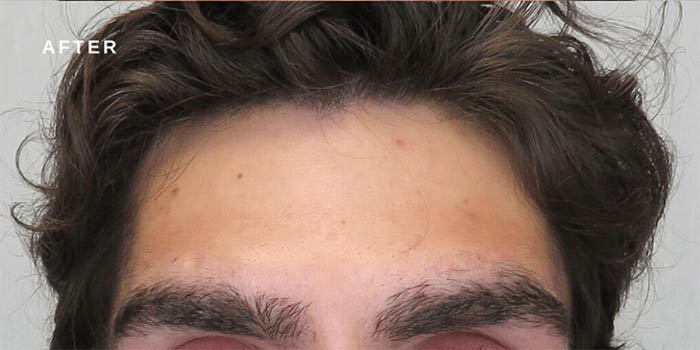
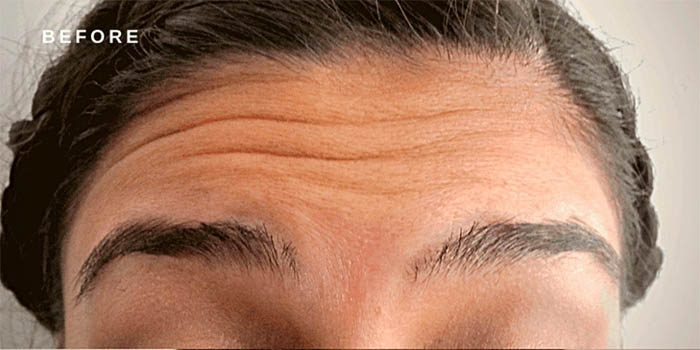

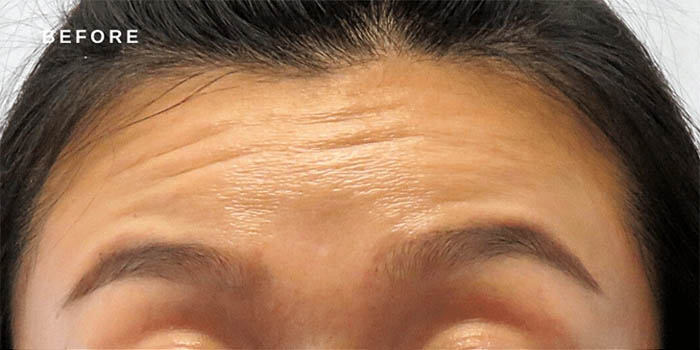
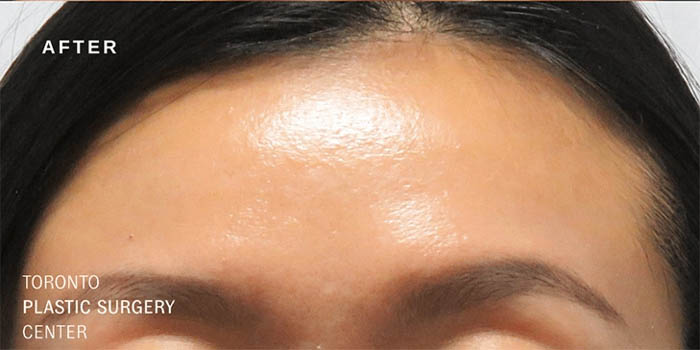
* The results depicted are not guaranteed and may vary between patients.
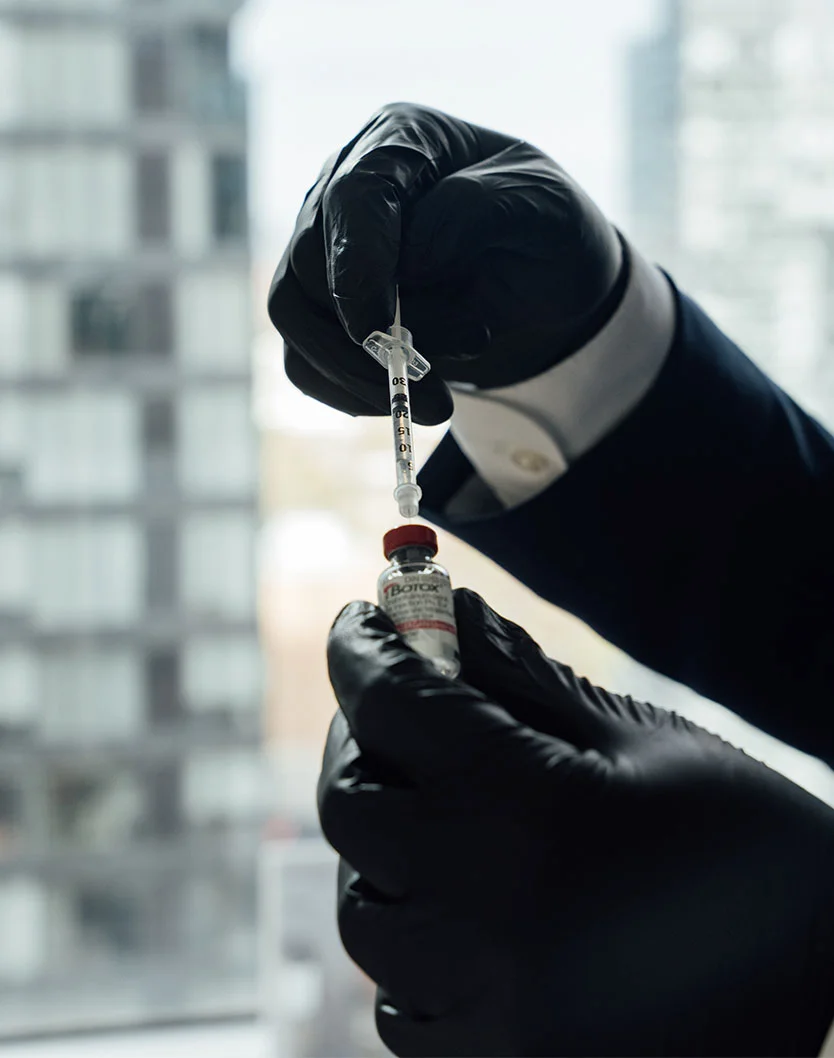
What Is BOTOX?
BOTOX® is an injectable neuromodulator made from botulinum toxin type A. It temporarily reduces the nerve signals that cause targeted facial muscles to contract. As muscle activity decreases, dynamic wrinkles created by repeated facial expressions become softer and less noticeable.
BOTOX is commonly used to treat forehead lines, frown lines between the eyebrows, and crow’s feet around the eyes. It can also be used in other areas of the face and body depending on the patient’s concerns. Treatment is temporary, allowing Dr. Pirani to adjust the dose and injection pattern over time based on your facial anatomy, muscle strength, and desired results.
Dysport
Dysport® is another botulinum toxin type A neuromodulator used to reduce muscle activity and soften dynamic facial wrinkles temporarily. Like BOTOX, it is injected into specific muscles responsible for expression lines, including frown lines, forehead wrinkles, and crow’s feet.
Although BOTOX and Dysport work similarly, their formulations and dosing differ. Dysport may begin working slightly sooner in some patients and can spread more readily within the treated area, which may make it useful for certain treatment patterns. Dr. Pirani selects the product, dose, and injection technique according to the area being treated and the patient’s individual facial anatomy and goals.
Nuceiva
Dr. Pirani carries and uses BOTOX and Nuceiva (Jeuveau). He typically prefers to use BOTOX and Nuceiva interchangeably in most areas. Nuceiva, like BOTOX, has proven itself effective for many years in improving the appearance of vertical frown lines and other signs of aging across the face. Nuceiva is processed with a unique Hi-PureTM technology, which is an advanced multi-step purification process.
BOTOX® vs. Dysport® vs. Nuceiva® vs. Xeomin®: Which is the Best Botox For You?
In Canada, four neuromodulators are approved for cosmetic use: BOTOX® (onabotulinumtoxinA), Dysport® (abobotulinumtoxinA), Nuceiva® (prabotulinumtoxinA, also marketed as Jeuveau® in the U.S.), and Xeomin® (incobotulinumtoxinA). Each temporarily relaxes the muscles that cause dynamic wrinkles, helping smooth frown lines, crow’s feet, and forehead lines.
What the Latest Research Shows
A 2025 JAMA Dermatology randomized clinical trial compared all four products in women treated for glabellar (frown) lines. Using 3-D imaging, researchers tracked results for six months. Read the study here.
Key findings included:
- Fastest onset: Dysport and Nuceiva showed quicker visible results in the first few days.
- Longest detectable effect: At six months, Nuceiva and Xeomin still showed improvement compared to baseline, with Nuceiva performing better than BOTOX at that time point.
- Peak effectiveness: At their strongest, all four products achieved comparable smoothing.
- Patient satisfaction: Patients across all groups reported greater satisfaction with their appearance, especially during the first 3 months.
Why We Use BOTOX® and Nuceiva® in Toronto
At The Toronto Plastic Surgery Center, we focus on BOTOX® and Nuceiva®. BOTOX has been around the longest and is still the name most people recognize. It has decades of safety data behind it and remains a reliable choice for softening lines. Nuceiva is a newer alternative, first introduced here in Canada, which means Toronto patients were among the earliest to have access. Recent studies suggest it works quickly and, for some people, the effects can last a little longer than with BOTOX.
At our clinic, we offer both. Some patients prefer the proven track record of BOTOX, while others are drawn to the faster onset and potential increased longevity of Nuceiva. In your consultation, we’ll talk through your goals and past experiences to decide which option makes the most sense for you.
How Do BOTOX, Dysport™, and Nuceiva Work?
BOTOX, Nuceiva, and Dysport are all botulinum toxin type A products that are injected into targeted facial muscles and work by temporarily blocking the nerve signals that cause those muscles to contract. By reducing muscle activity in the treated areas, these wrinkle relaxers can soften fine lines and wrinkles while maintaining a natural appearance.
When an experienced professional, such as Dr. Pirani at the Toronto Plastic Surgery Center, administers BOTOX, the treatment is highly effective and safe.
Wrinkle Types Treated With BOTOX Toronto Cosmetic
BOTOX is a common and effective treatment for a variety of dynamic wrinkles. Common wrinkles treated with BOTOX include forehead wrinkles, crow’s feet that form around the outer edge of the eye stretching towards the temple, and frown lines that form at the top of the nose between the eyebrows.
Dynamic Wrinkles
Dynamic wrinkles refer to lines you see when you move or animate. You do not see them at rest. They form as a result of muscle contraction. Our facial muscles create these dynamic wrinkles as we express ourselves through laughing, crying, smiling, or frowning. As muscles contract, the skin over them moves, folds, and stretches, creating wrinkles and fine lines over time. BOTOX can soften these lines by temporarily reducing the repetitive muscle movements that cause them.
Static Wrinkles
Static wrinkles refer to lines that are present even at rest. They represent a progression of dynamic lines over time, culminating in creases etched into the skin’s surface. Typically, these are more resistant to BOTOX and require higher doses to treat. They are more likely to require adjunctive procedures, such as radiofrequency microneedling and chemical peels, for maximal effect. BOTOX is still the mainstay initial treatment for these lines, but complete resolution is less likely with BOTOX alone.
In What Areas Of The Face Can BOTOX Be Used?
BOTOX can reduce wrinkles in several areas of the face and can also address concerns involving the jaw, neck, and excessive sweating. At the Toronto Plastic Surgery Center, treatment is tailored according to the area being addressed, muscle activity, and the patient’s individual goals.
How Long Does It Take To See Results
Although BOTOX is a quick procedure, the final results will not be immediately visible after treatment. In most areas, it takes 2-5 days to begin seeing the treatment’s effects. You may notice a slight reduction in wrinkles and facial lines early on, but the full effect typically takes about 2 weeks in most areas. Areas such as the muscles (jaw) typically take 6 weeks to see the full effects.
What Are the Benefits of BOTOX Injections?
When you look good, you feel good! Improving your appearance by subtly reducing wrinkles caused by aging and stress can lead to a more confident, youthful self. Many patients who have visited our Toronto office tell us that using BOTOX to reduce their wrinkles boosts their confidence, energy, and overall self-esteem. Recovery time is minimal, and most patients resume normal daily activities immediately.
- Simple non-surgical solution to reducing lines: The thought of surgery can be scary. Fortunately, BOTOX is a popular non-surgical and easy procedure. It is often the first step in a facial rejuvenation case that can delay the need for surgical interventions such as a facelift or neck lift.
- Migraine Pain Treatment: BOTOX can be used to help reduce migraine pain by relaxing muscles that are causing tension in the head. Dr. Pirani does not offer OHIP BOTOX treatments.
- Hyperhidrosis Reduction: Excessive sweating can be embarrassing. While prescription antiperspirants can relieve mild cases, BOTOX can provide relief for severe hyperhidrosis. Patients often experience improvements for many months at a time.
- Prostate Gland Reduction: Frequent urination can be humiliating, and BOTOX helps to relieve this problem. When BOTOX is injected directly into the prostate gland, it improves urine flow. Dr. Pirani does not offer this BOTOX treatment.
- Strabismus: BOTOX has been proven highly effective in treating strabismus (also known as crossed eyes). This treatment injects BOTOX into the eyes to relax the muscles. This helps the eyes refocus and change position. The procedure has to be repeated every 3-4 months, but the effect lasts longer after multiple treatments.
- Muscle Spasms: BOTOX blocks nerve impulses, so it is a great solution for muscle spasms, torticollis, cervical dystonia, and other movement disorders.
Who Are the Best Candidates For BOTOX?
If you’ve noticed any of the following, then you may be an excellent candidate for BOTOX treatments:
- Vertical lines between your eyebrows (Frown lines)
- Horizontal lines on your forehead (Forehead wrinkles)
- Lines and wrinkles around your eyes (Crow’s Feet)
- A drooping eyebrow or poor eyebrow shape
- Wrinkles and lines around your lips (Marionette lines and Smoker’s Lines)
- Horizontal lines on your nose (Bunny Lines)
- Horizontal lines above your chin
- A widened jaw (often common in Asians and patients with bruxism)
- Hyperhidrosis or excess sweating in your armpits or palms
- Prominent bands in your neck
Who Should Not Use BOTOX?
You should avoid treatments if:
- You are allergic or sensitive to any of the ingredients
- You are allergic to cow’s milk protein (only an issue with Dysport™)
- You have myasthenia gravis, Eaton-Lambert Syndrome, amyotrophic lateral sclerosis, or another muscle disorder.
- You are allergic or sensitive to any botulinum toxin product
- You have an infection at the proposed injection site
- You are taking aminoglycoside antibiotics
- You are pregnant
- You are nursing

BOTOX Consultation
During the initial consultation, Dr. Pirani will discuss your concerns and goals with you. He will then assess your facial lines, musculature, proportions, and skin laxity to determine the best treatment options for you. This will include a discussion of risks, benefits, and potential complications. He will also give you an idea of what you should expect in terms of results and recovery.
Although this initial consultation is quite thorough, the following treatment sessions can take as little as 5 minutes while still being personalized treatments rather than one-size-fits-all appointments. Many patients come in for treatments during their lunch breaks to maximize efficiency. Dr. Pirani and the Toronto Plastic Surgery Center Team will do everything they can to accommodate your time constraints and busy schedule.
What Can I Do To Prepare For My BOTOX Treatments?
Avoid any non-essential medication or herbal remedy that may increase your risk of bruising for 2 weeks before your BOTOX treatment session. This includes:
- Aspirin (only stop this if your family physician indicates it is safe to do so)
- Advil or Motrin
- Omegas
- Fish oils
- Vitamin E
- Garlic
- Glucosamine
- Ginseng
- Ginkgo Biloba
- Saw palmetto
What to Expect on the Day of a BOTOX Treatment:
Dr. Pirani will administer BOTOX Injections.
BOTOX is administered via an ultra-fine needle under the skin. These are usually very well tolerated, and when treatment is properly planned, the goal is subtle, natural-looking results. BOTOX treatments usually take less than 5-10 minutes. Results usually begin to appear within a few days; however, it takes a full 2 weeks to see the final results.
One of the things that sets Dr. Pirani apart is that patients can choose to have their injections performed personally by him. His experience, personal care, and attention to detail are among the reasons patients choose him for their treatment.
After receiving your BOTOX treatment, avoid strenuous activities for at least 24 hours. This helps avoid bruising and supports optimal results. It is also a good idea to avoid any activities that cause your head to be in a dependent position for 24 hours after your treatment.
How Is BOTOX Administered?
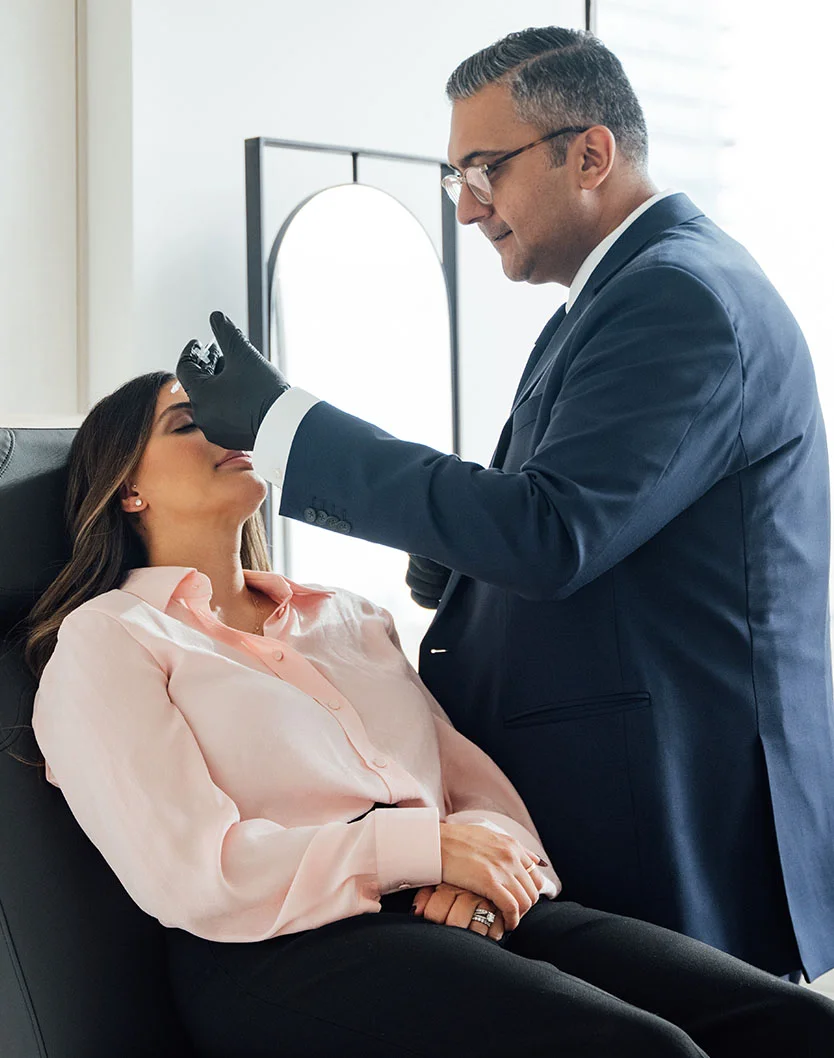
BOTOX is administered via a fine needle under the skin, with small doses placed into specific muscles to soften lines while preserving expression. The procedure is quick, most people tolerate it well, and BOTOX treatments usually take 5- 10 minutes. Results usually begin to appear within a few days; however, it takes a full 2 weeks to see the final results.
Will The Injections Hurt?
Most patients describe receiving either product as a quick pinch. Dr. Pirani may use ice to numb the treatment area. The product is placed with a fine needle for precision and comfort. If you are concerned about discomfort, he may also apply a topical numbing cream before administering your treatment.
How Long Does Treatment Take
Initially, Dr. Pirani will discuss your treatment goals and perform a facial analysis to determine the best treatment for you. The injection process itself takes only about 10 minutes.
Aftercare Instructions: Things to Avoid
Once you’ve decided to receive BOTOX treatment, proper aftercare is important to ensure the best possible results. While the process varies depending on the area you’ve treated and your particular body, there are eight things you should avoid after treatment to ensure optimal results.
- Touching: For 24 hours after your treatment, avoid rubbing or massaging the area where you received your BOTOX injection. A BOTOX injection is precisely administered to achieve the desired effects, and touching could cause it to move to unintended muscles.
- Alcohol and Painkillers: Certain drugs, such as aspirin and alcohol, should be avoided as they can cause your blood to thin and cause excess bleeding. Depending on how quickly you recover, aspirin and alcohol are recommended to be avoided for 48 hours following treatment.
- Careless Sleeping: Avoid the horizontal position for about 4 hours after your BOTOX injection to allow the treatment to settle properly in your body. Follow your provider’s instructions. Also, in the days immediately following your treatment, try sleeping on your back for the best possible results.
- Exercise: A doctor may advise against an active lifestyle in some situations, but after a BOTOX treatment, it is important to avoid strenuous activity. You should be able to return to your regular exercise regimen after a couple of days, but some people take it easy for up to a week.
- Facials: Facials, along with chemical peels and other face treatments, can interfere with your BOTOX injection, causing it to end up with undesirable results. Plan to do these treatments at least 24 hours after receiving a BOTOX injection.
- Travel: Stay in touch with and within reach of your doctor after a BOTOX treatment. That way, in the event that you experience any unexpected side effects, you’ll be able to visit the doctor who administered the treatment to help remedy any issue. If you develop symptoms such as an allergic reaction or anything concerning, seek medical care promptly.
- Schedule Photos: While you may be excited about your rejuvenated appearance after a BOTOX treatment, some people experience bruising that can take 1-2 weeks to resolve, depending on the individual. So, give it a week or two to make sure that you’re looking your very best.
- Settling: If you aren’t happy with your results, talk to Dr. Pirani about what may have happened or what you would prefer. We want to make sure every patient has a treatment they are proud of and happy with. If you don’t like what you see, talk to us so we can help you look and feel your best.

How Many Units Of BOTOX Do I Need
Your doctor can determine the exact units required after an assessment, but understanding the average units needed for each procedure will help you decide whether BOTOX is right for you.
- Forehead: Most people require 10-20 units of BOTOX in this area.
- Frown Lines: Most people require 15-30 units of BOTOX in this area.
- Eyes (Crow’s Feet): Most people require 12-24 units of BOTOX in this area.
- Eyebrows (Brow Lift): Most people require about 10 units of BOTOX for this.
- Lips: Most people require 4-8 units of BOTOX in this area.
- Drooping Corners of the Mouth: Most people require 6-12 units of BOTOX in this area.
- Chin Dimples: Most people require 6-10 units of BOTOX in this area.
- Bunny Lines: Most people require 8-16 units of BOTOX in this area.
- Gummy Smile: Most people require 4-6 units of BOTOX in this area.
- Neck Lines (Platysma Bands): Most people require 30-60 units of BOTOX in this area.
- Masseter Muscles (Wide Jaw): Most people require around 50 units of BOTOX in this area.
- Lower Eyelid: Most people require 2-4 units of BOTOX in this area.
- Excessive Sweating (Hyperhidrosis): Most people require around 100 units of BOTOX to treat axillary hyperhidrosis.
- Trapezius Muscles (“TrapTox”): Most people require about 50 units per side, and the average person uses about 100 units per session.
These are the basic units needed, but each BOTOX treatment is customized for each individual. Your doctor can best determine the accurate dosage, since it varies based on the treatment area, your facial muscle strength, and your goals.
Schedule a consultation with Dr. Pirani at the Toronto Plastic Surgery Center to find out more.
How Much Does BOTOX Cost in Toronto, Ontario?
The cost of BOTOX in Toronto depends on your needs and the area being treated. Please note that we charge a minimum of $200+tax for any treatment session.
- All BOTOX and Nuceiva treatments are personally administered by Dr. Asif Pirani, a Royal College-certified plastic surgeon. BOTOX is priced at $14 per unit, with a minimum treatment charge of $200 plus HST.
- The average cost for treating frown lines is between $210 and $420.
- BOTOX is performed around the eyes and typically costs between $252 and $336.
- Another example is the forehead, which usually requires 10 to 20 units and costs an average of $200 to $280.
Your Healthcare Provider will determine the number of BOTOX units you require during your consultation.
Is BOTOX Safe?
BOTOX is a cosmetic procedure with virtually no permanent effects, making it very safe. As an experienced BOTOX injector, Dr. Pirani regularly administers BOTOX. He always performs a thorough consultation before these treatments and will advise you on your suitability for BOTOX. He will also ask you about any contraindications to BOTOX treatments, such as pregnancy, keloids, or neuromuscular disorders.
How Long Do The Results From BOTOX Treatments Last?
Results usually last approximately 3 to 4 months in most individuals. In some cases, such as when used for excessive sweating (hyperhidrosis), results may last up to 6 months.
What Are The Side Effects Of BOTOX?
When administered by an expert injector, you should have minimal side effects, especially when you follow your doctor’s post-treatment advice. If you go with an experienced plastic surgeon like Dr. Pirani at the Toronto Plastic Surgeon Center, you will benefit from his many years of experience. Most people experience only mild swelling, mild redness, and sometimes mild bruising in the injected areas. Swelling and redness usually last only a few hours.
If you have any questions or concerns about your BOTOX treatment, contact Dr. Pirani at the Toronto Plastic Surgery Center. If symptoms seem unusual or suggest an allergic reaction, contact the clinic or seek medical care.
Why Choose Dr. Pirani?
Dr. Asif Pirani has dedicated his career to helping patients enhance their natural beauty while maintaining the highest standards of safety, comfort, and discretion. Board-certified by the Royal College of Physicians & Surgeons of Canada (FRCS), and a member of the American Society of Plastic Surgeons (ASPS), the Aesthetic Society, and the Canadian Society of Aesthetic Plastic Surgeons (CSAPS), Dr. Pirani teaches at Canadian and American universities and serves as an expert reviewer for The Aesthetic Plastic Surgery Journal, the International Society of Aesthetic Plastic Surgery’s official scientific journal, with a technique designed for noticeable results without an overdone look. Media outlets and news agencies frequently ask him for his opinion as an expert plastic surgeon.
BOTOX Toronto FAQ’S
Toronto Plastic Surgery Center
Schedule a Consultation
To schedule a consultation with Toronto BOTOX and Dysport™ treatment specialist Dr. Pirani, call 416-360-8772.