January 5, 2026
By Dr. Asif Pirani
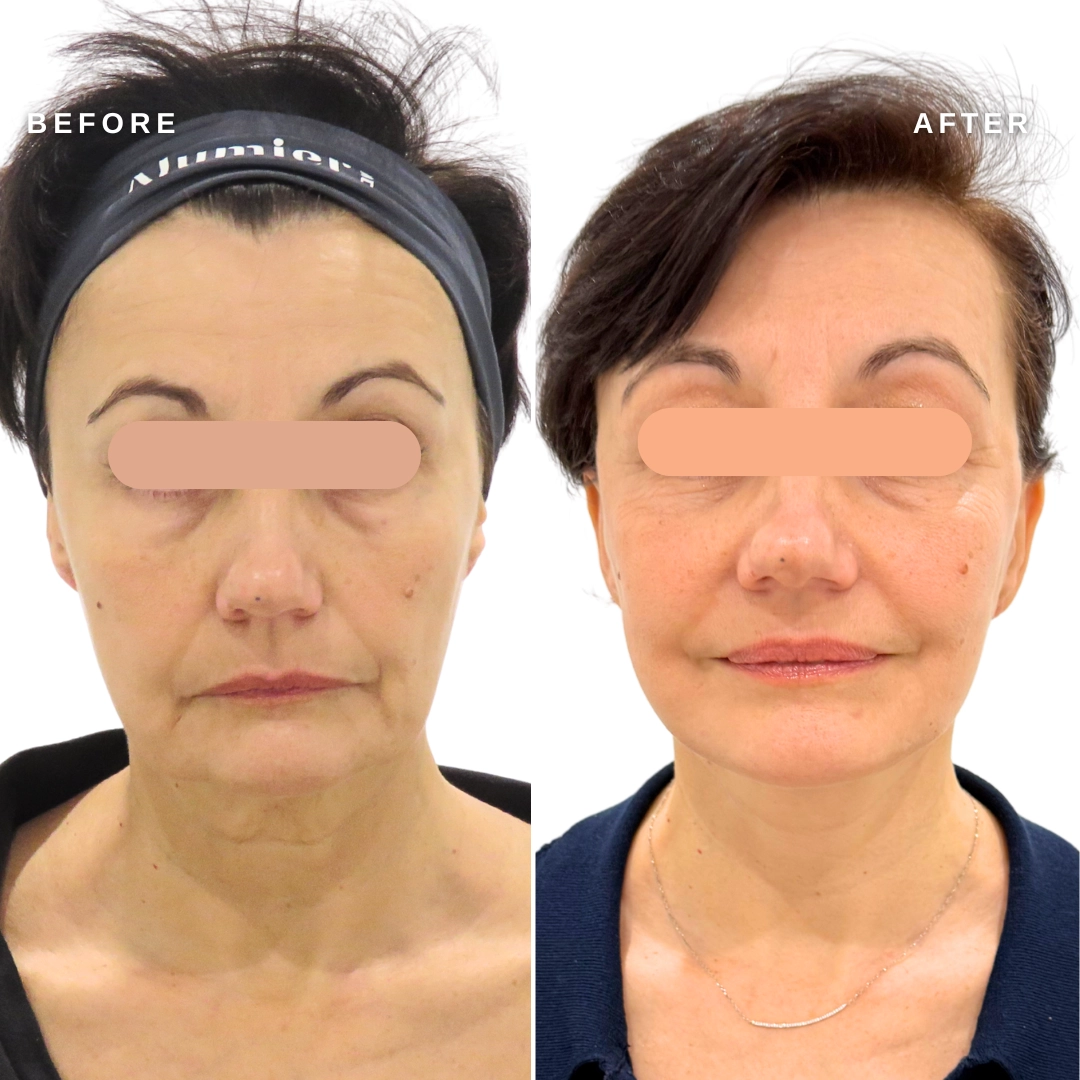
“Preservation facelift” is a term you may see more often as you research facial rejuvenation. It tends to resonate with patients for a simple reason: most people do not want to look different. They want to look like themselves, just healthier, more rested, and less affected by time.
In Toronto, where patients are often balancing professional lives, family, and public-facing roles, this preference for natural results is especially common. The challenge is that “preservation facelift” can mean different things depending on who is using the term. The key is understanding the underlying principles so you can ask the right questions during your consultation.
What is a preservation facelift?
A preservation facelift is best understood as an approach rather than a single standardized operation. It typically refers to a facelift plan that prioritizes:
- Repositioning and support from deeper facial layers (not simply tightening skin)
- Strategic, limited dissection to reduce unnecessary tissue disruption
- A result that restores contours without creating a pulled or over-tight appearance
Most commonly, the term is used to describe a limited-dissection, deep-plane style lift where the surgeon focuses on correcting descent at the level that actually drives aging in the midface and jowl, while keeping skin delamination more conservative.
Why the word “preservation” matters
A traditional “skin-only” facelift can tighten the surface, but it is not always the best way to restore youthful contours, and it can risk an unnatural look if tension is carried primarily by the skin. In contrast, preservation concepts are rooted in a philosophy that many modern facelift surgeons share:
- Respect anatomy rather than fighting it
- Minimize unnecessary trauma
- Use the correct plane to achieve lift, then allow the skin to re-drape rather than “pull” it into place
When patients say they want a facelift that looks natural, what they are often describing is a result where the skin is not acting as the main structural element. That is a central idea behind preservation-focused planning.
Preservation facelift vs. deep plane facelift: are they the same?
They can overlap, but they are not always the same.
A deep plane facelift is a well-defined technique category that involves working beneath the SMAS, releasing key retaining ligaments, and repositioning descended tissues to improve the cheeks, jowls, and jawline in a meaningful, lasting way.
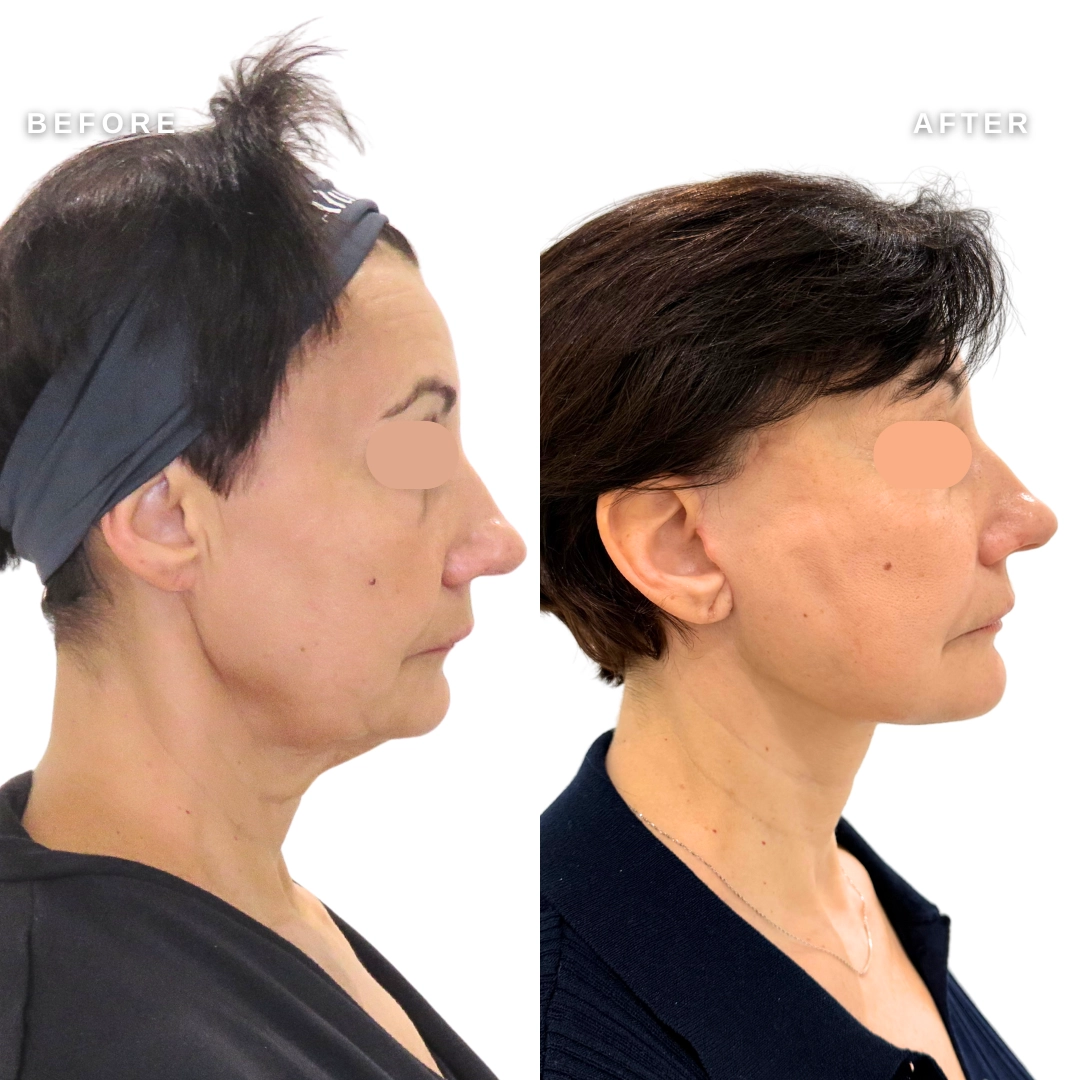
A preservation facelift often describes a deep-plane philosophy performed with limited skin dissection and an emphasis on natural re-draping. In other words, preservation is frequently an “application style” of deep-plane lifting, rather than an entirely separate operation.
A useful way to think about it is this: the deep plane is the engineering. Preservation is how you choose to execute it to maximize natural movement, soft transitions, and an unoperated appearance.
Who is a good candidate for a preservation facelift?
Patients who inquire about preservation facelift in Toronto often fall into one of these groups:
- People who want a strong improvement but are concerned about looking “done”
- Patients who want better jawline definition and midface support without excessive skin tightening
- Individuals who value a surgical plan tailored to anatomy rather than a one-size-fits-all procedure name
That said, not every face benefits from the same degree of limited dissection. If laxity is advanced, or neck aging is a dominant issue, a more comprehensive plan may be required to get a balanced result. The goal is not the smallest operation. The goal is the right operation.
“Best” is not a single technique. It is a match between:
- Your anatomy and pattern of aging
- The surgical plan selected
- The surgeon’s experience with that plan
- Thoughtful execution, including scar placement, tissue handling, and aftercare
In practical terms, the best facelift is the one that produces a refreshed version of you, without obvious surgical stigmata, and with longevity that justifies the decision to have surgery.
If a surgeon is truly tailoring the plan, you should hear a discussion that includes more than one approach and a clear explanation of why a certain strategy fits your face.
What about the neck?
A common reason patients are disappointed after facial rejuvenation is that the face and neck were not addressed as a single aesthetic unit. Even when the primary concern is the jawline, the neck often plays a major supporting role in the final contour.
If you are exploring a preservation facelift, it is worth discussing how neck refinement is handled in your plan. For many patients, the most natural outcome comes from improving facial descent and neck definition together, in a balanced way, rather than aggressively tightening one area and neglecting the other.
Questions to ask at your consultation
If you are searching for “preservation facelift Toronto,” consider asking:
- What does “preservation facelift” mean in your hands?
- Are you lifting primarily with skin tension, or with deeper support?
- How do you decide between a limited-dissection approach and a more classic lift?
- How will the plan address the jawline and the neck together?
- Where will scars sit, and how do you optimize healing and scar quality?
The clarity of the answers matters as much as the words used to describe the technique.
Next step: a tailored plan
Facelifts are not interchangeable. A preservation-focused approach can be an excellent option when it is selected for the right anatomy and executed with modern deep-plane principles. The best way to determine fit is an in-person assessment where your facial structure, skin quality, laxity, and neck aging are evaluated together.
If you are considering a preservation facelift in Toronto and want an expert opinion on what approach will look the most natural on you, schedule a consultation with Dr. Pirani at The Toronto Plastic Surgery Center.